 01 / 03
Line reality
Start with the event that creates an inspection frame.
Line rate, encoder or trigger, lighting, exposure, camera format, and buffering define the acquisition problem before inference begins.
Industrial Vision Design-In
Map camera capture, triggers, edge inference, machine I/O, frame-integrity validation, and production constraints for an AOI or machine-vision system.
Explore the system path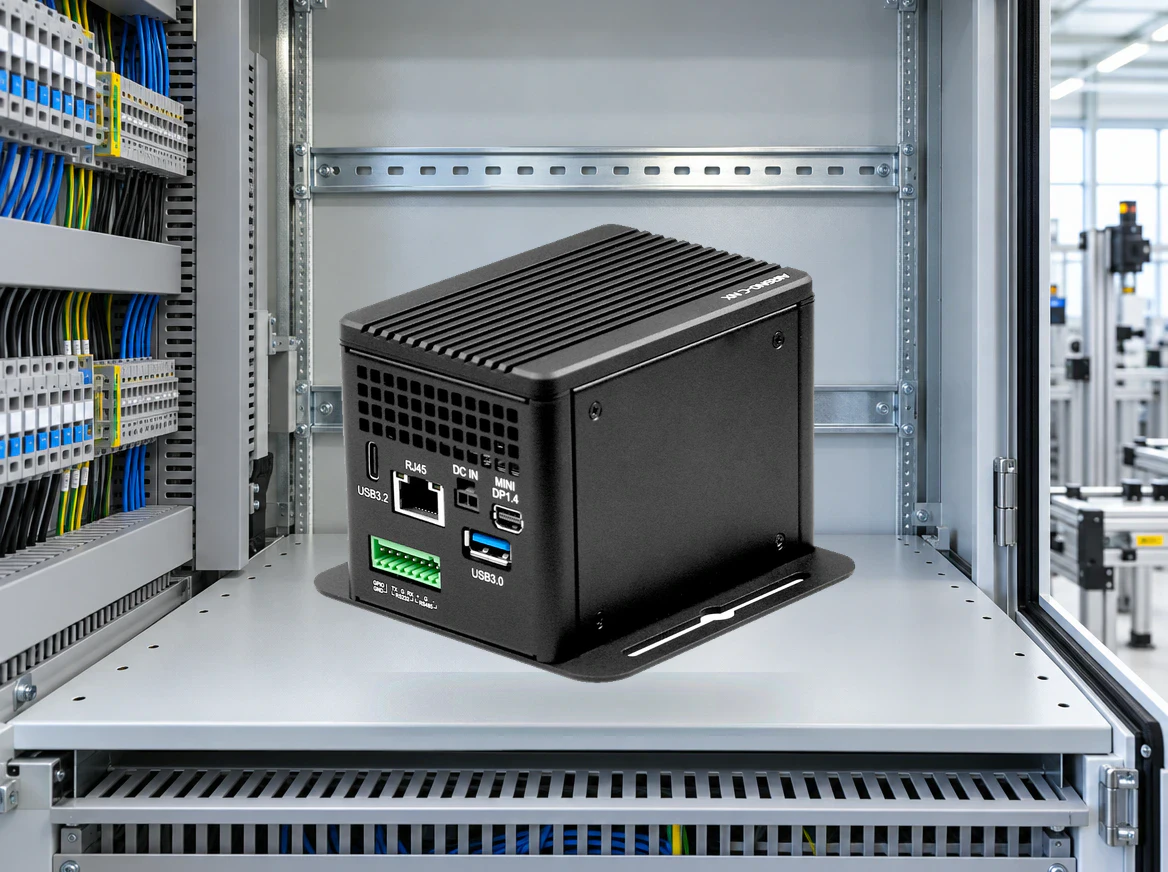
System operating context
Designed for
Configuration before claims
Line rate, exposure, trigger timing, image transfer, preprocessing, inference, and the machine response must be evaluated as one configured system.
The usable inspection rate includes exposure, transfer, buffering, preprocessing, inference, decision logic, and actuator timing.
Dropped-frame and deterministic-timing requirements need a defined source, duration, load, thermal state, and acceptance rule.
Triggers, encoder inputs, PLC or controller I/O, fail-safe behavior, logging, and operator workflow belong in the design review.
Architecture review
The design-in review documents the acquisition and decision path before platform or performance claims are finalized.
Industrial Vision Design-In
Active stage 01
Trigger
Line event, encoder, exposure, lighting, and timing source
Performance is configuration-specific. The review defines the target, test configuration, and evidence needed before latency, frame integrity, stream density, power, or thermal results are treated as claims.
Follow the operating path
01 / 03Line reality
Line rate, encoder or trigger, lighting, exposure, camera format, and buffering define the acquisition problem before inference begins.
 02 / 03
Acquisition path
Capture, transfer, preprocessing, region handling, model runtime, and exception logic need a common configured test path.
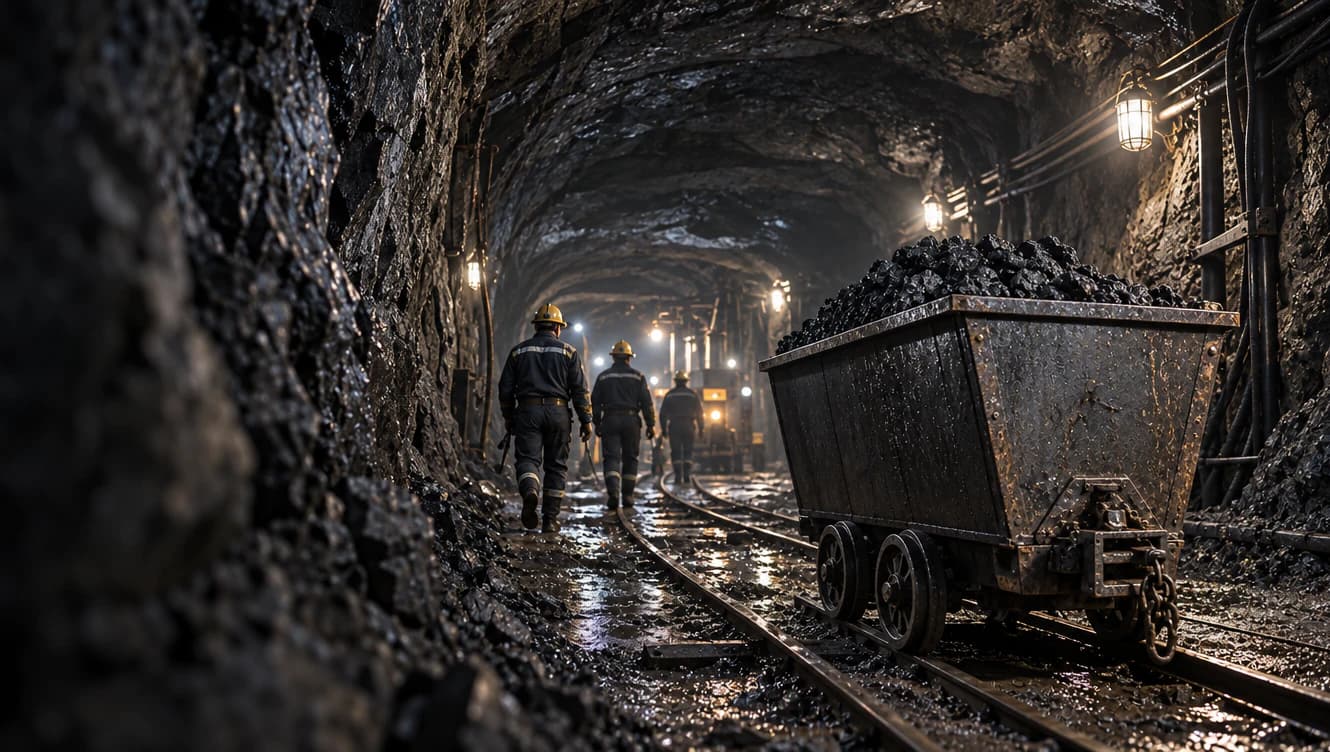
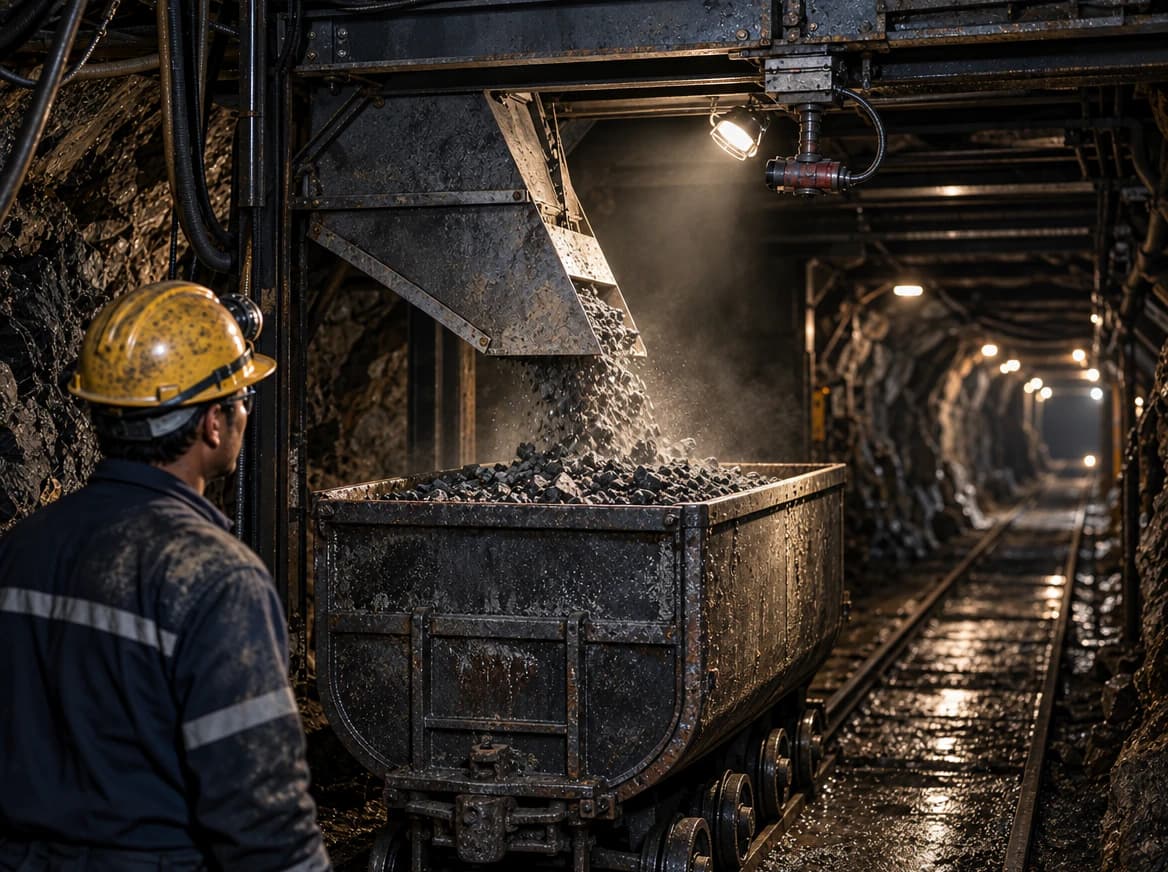
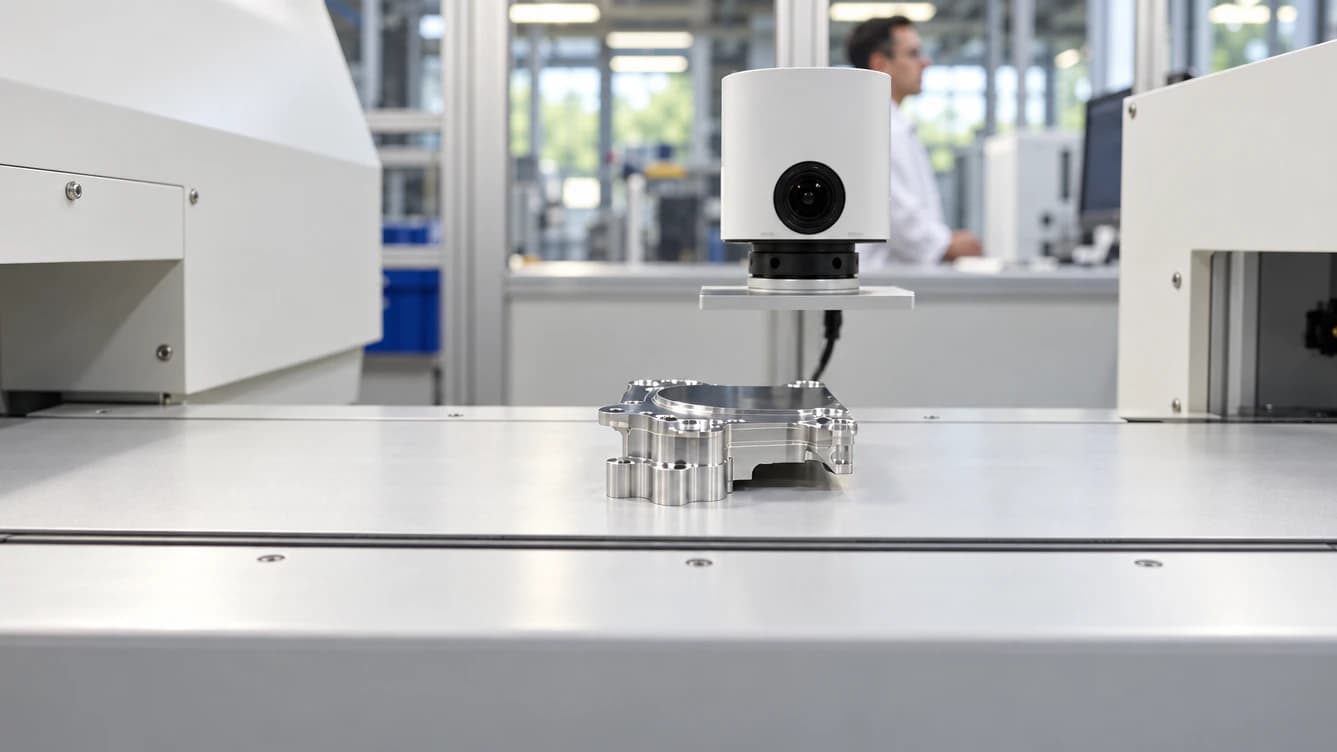
Line conditions define the usable acquisition path. Watch cameras, material motion, inspection, and the machine handoff operate as one physical sequence.
 03 / 03
Machine handoff
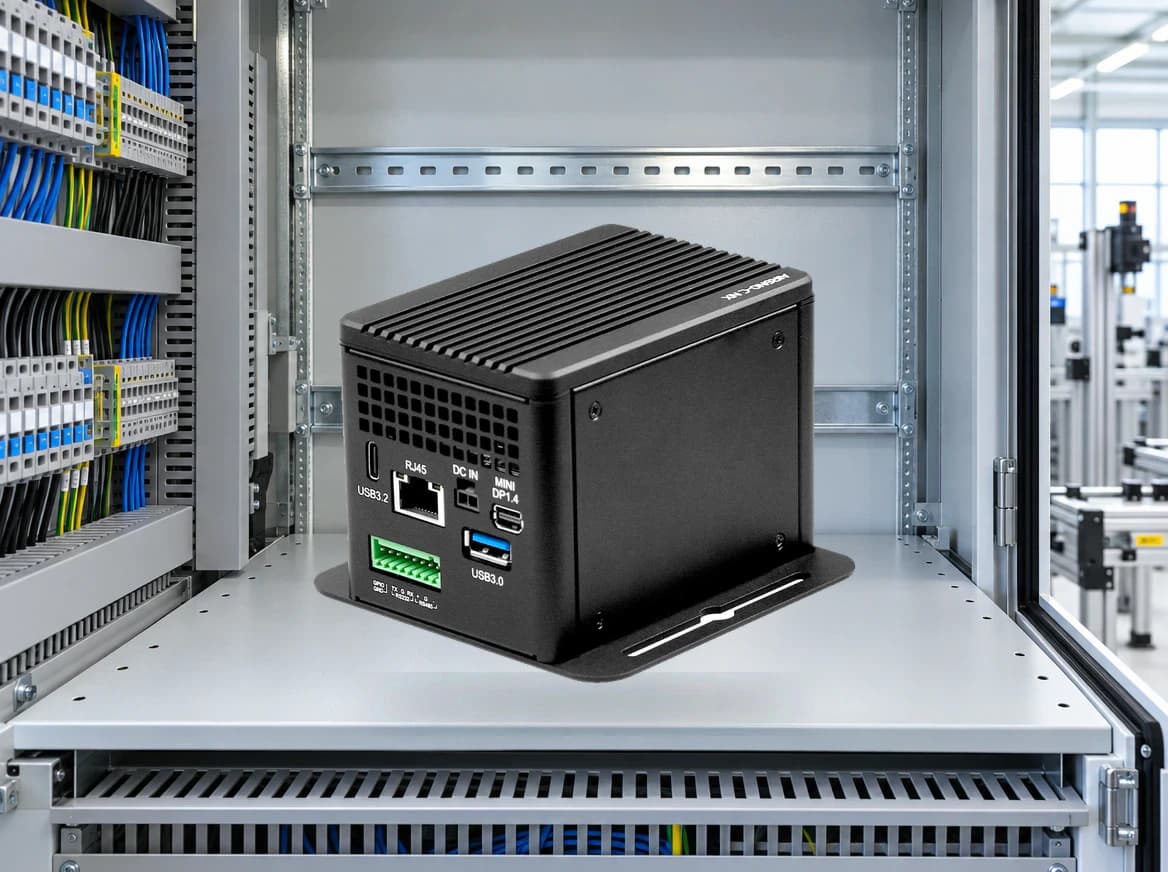
PLC or controller I/O, fail-safe behavior, evidence, operator workflow, enclosure, service, and qualification belong in the same review.
The patterns separate timing and ownership decisions. Any cycle-time or frame-integrity result remains configuration-specific.
01
02
03
Architecture review
Bring to the review
Review output
Related YUAN capabilities
Evaluation questions
No. The source, trigger, workload, software, platform, thermal state, duration, and measurement points must be fixed before the result is meaningful.
Bring the trigger sequence, camera and image format, line rate, model or processing graph, machine I/O, acceptance criteria, and environmental constraints.
No. It organizes the architecture and evaluation plan. The machine builder remains responsible for its complete system validation and applicable safety or compliance requirements.
Prepare the technical brief
Ask the YUAN hardware expert which inputs and constraints belong in your review.
Other design-in paths
YUAN USA design-in
Share the video sources, software workload, physical constraints, project stage, and production intent. The YUAN USA team will route the review to the relevant product and integration specialists.