Technology NewsJuly 17, 2026
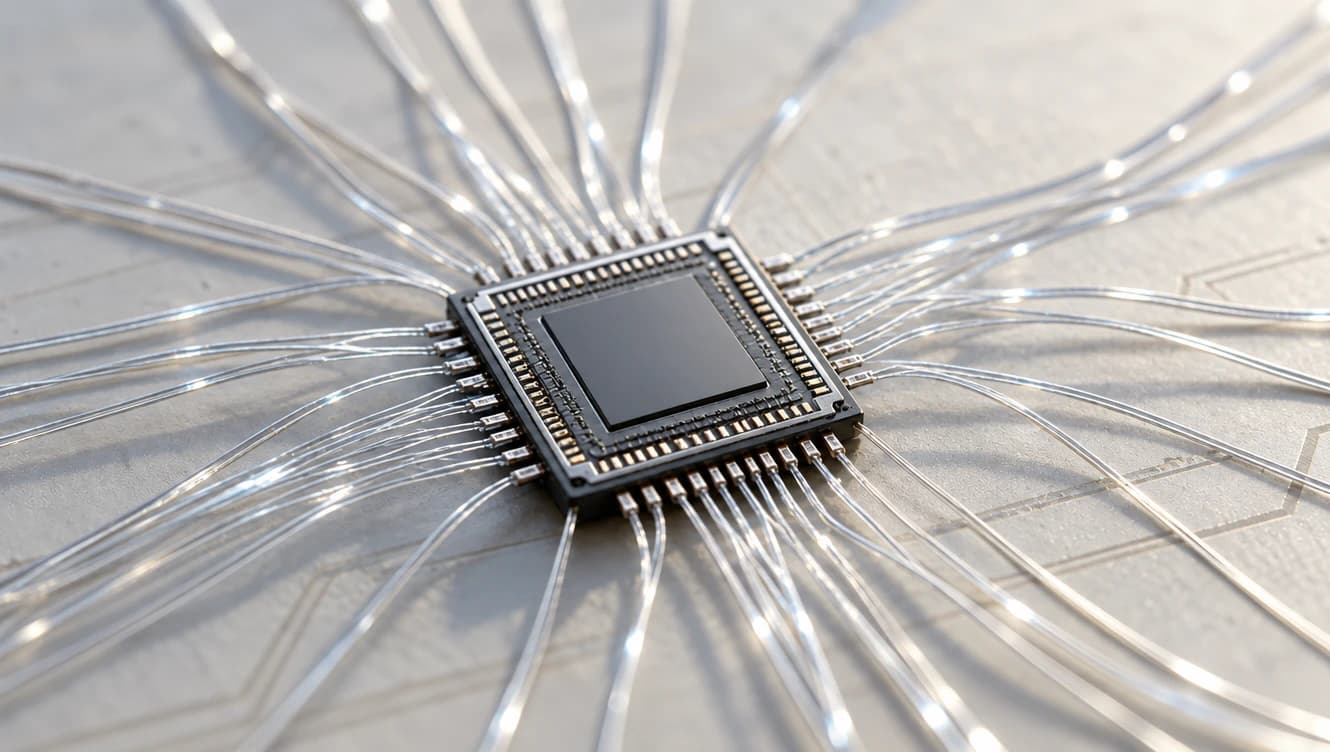
Sensor capture and edge compute for robotics.
YUAN combines sensor interfaces, NVIDIA Jetson-class compute, and NexVDO SDK workflows for industrial robots, AMRs, drones, and other robotic systems.
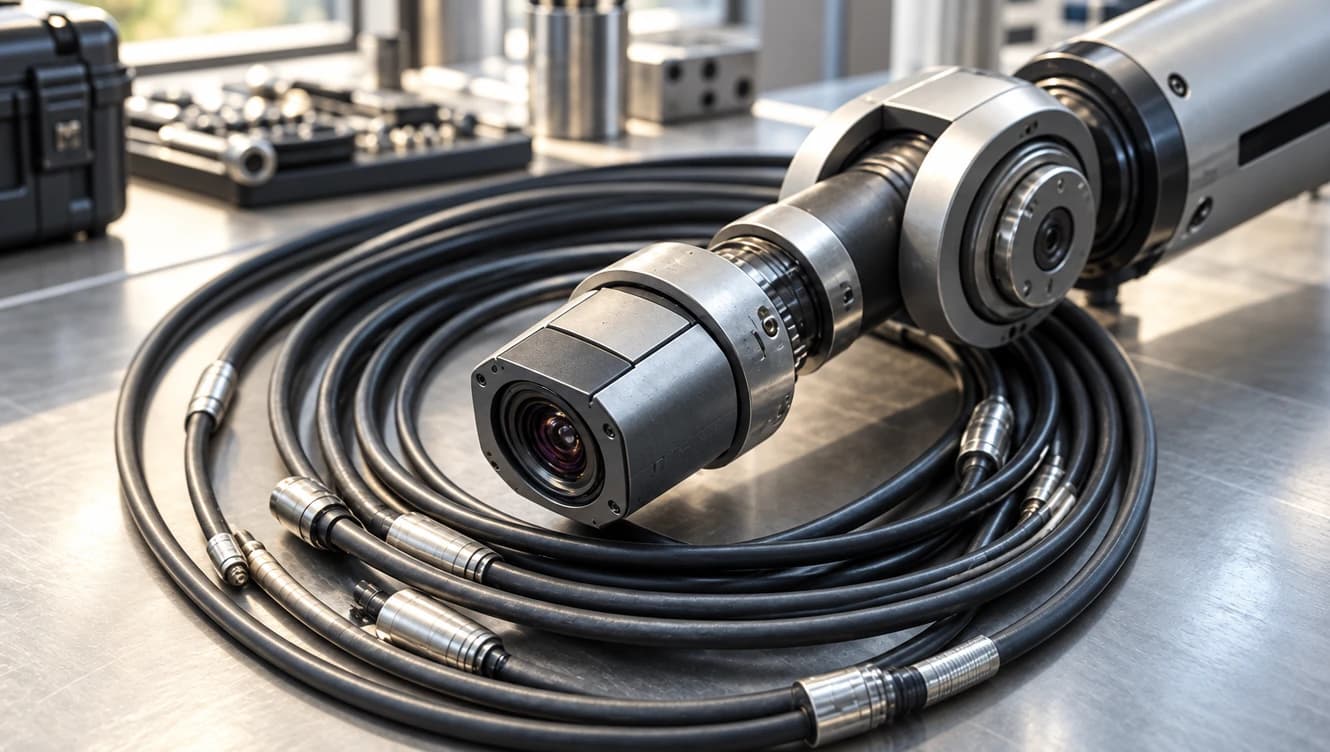
Robotic systems combine cameras, depth sensors, LiDAR, radar, IMU, GNSS, and RTK with edge-computing and control software. YUAN connects those inputs to NVIDIA Jetson-class platforms through its sensor hardware and NexVDO SDK.
Six robotic forms, one platform
The platform is intended for industrial arms, humanoids, quadrupeds, UAVs, autonomous mobile robots, and service robots. Each system uses a different sensor set and control path, but can share capture, synchronization, recording, streaming, analysis, and automation components.
Inside the NexVDO SDK
NexVDO groups the workflow into five capabilities. Capture uses RDMA and PTP synchronization. Record supports H.26x and AV1 encoding, AES-secured storage, and metadata packaging. Stream supports ONVIF, RTSP, and WebRTC. Analyze runs vision, ASR, TTS, language, and vision-language models. Automate integrates ROS2, MAVLink, visual localization, SLAM, and NAV2.
Sensor interfaces and compute
The hardware supports cameras, depth cameras, LiDAR, radar, IMU, GNSS, RTK, EtherCAT, and motor-control connections. Holoscan Sensor Bridge moves 10G/4K and 10G/HD sensor streams through a Functional Safety Island to a main compute node such as the NVIDIA Jetson-based Arc AGX. Integration teams must validate timing, functional-safety requirements, and failure behavior for their specific robot.
Related
More from the newsroom.
Technology News · June 2, 2026
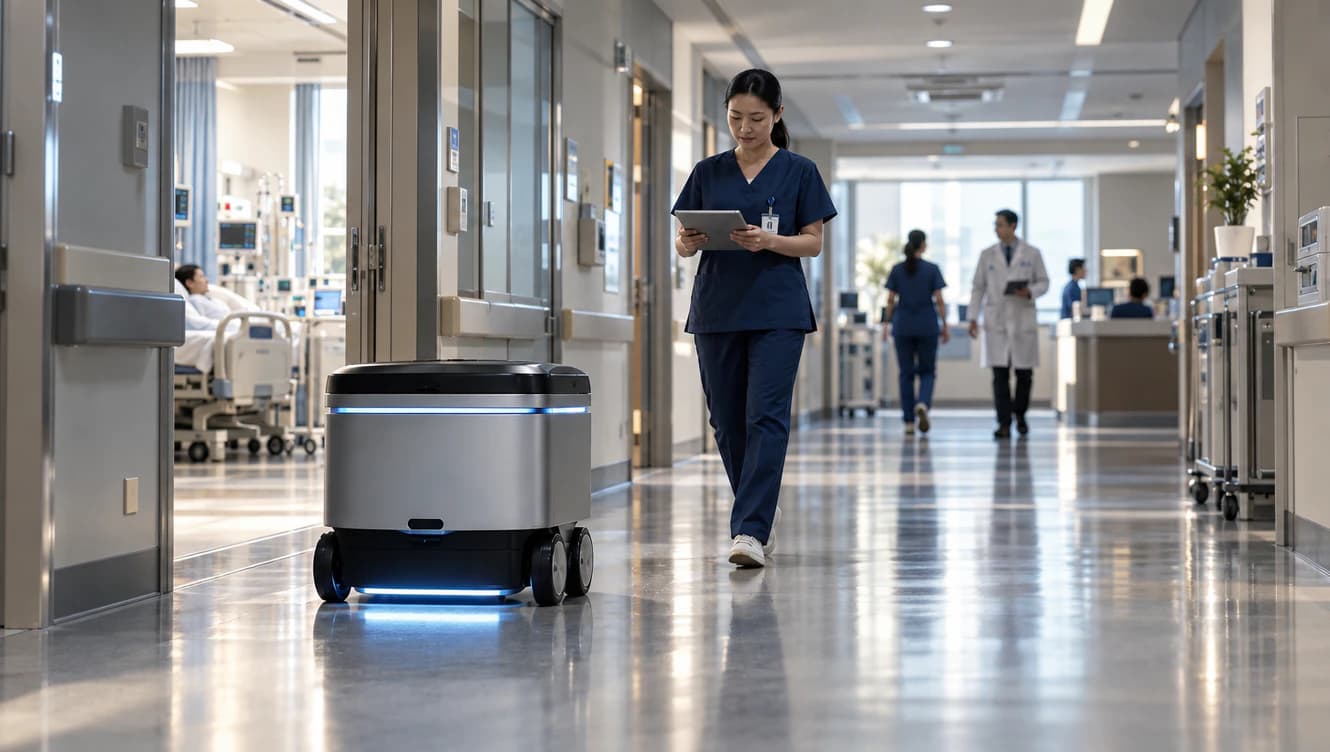
Foxconn presents healthcare robotics developed with YUAN and NVIDIA.
Read the story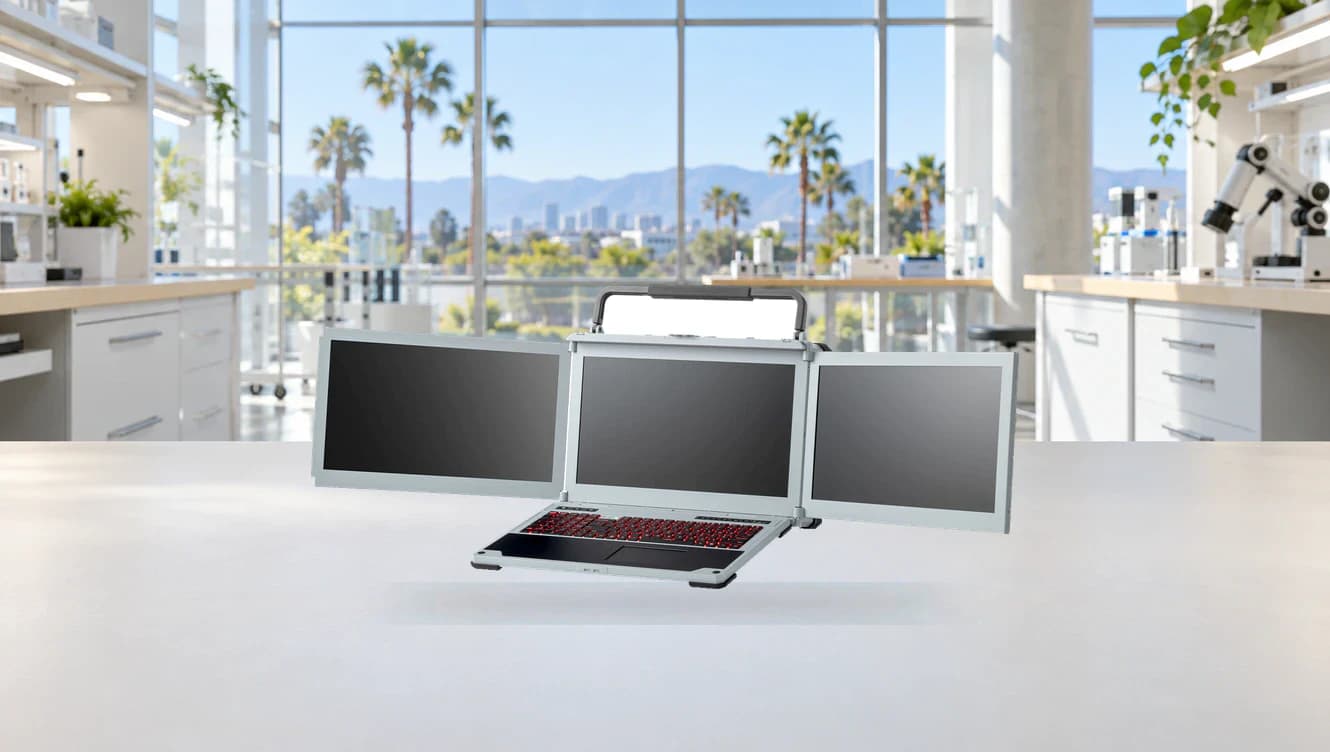
Talk to the team behind the story.
Technical questions, review hardware, and interview requests go through YUAN communications.
Contact PR