NexVDO SDK
Capture
Video and audio capture across supported hosts and inputs
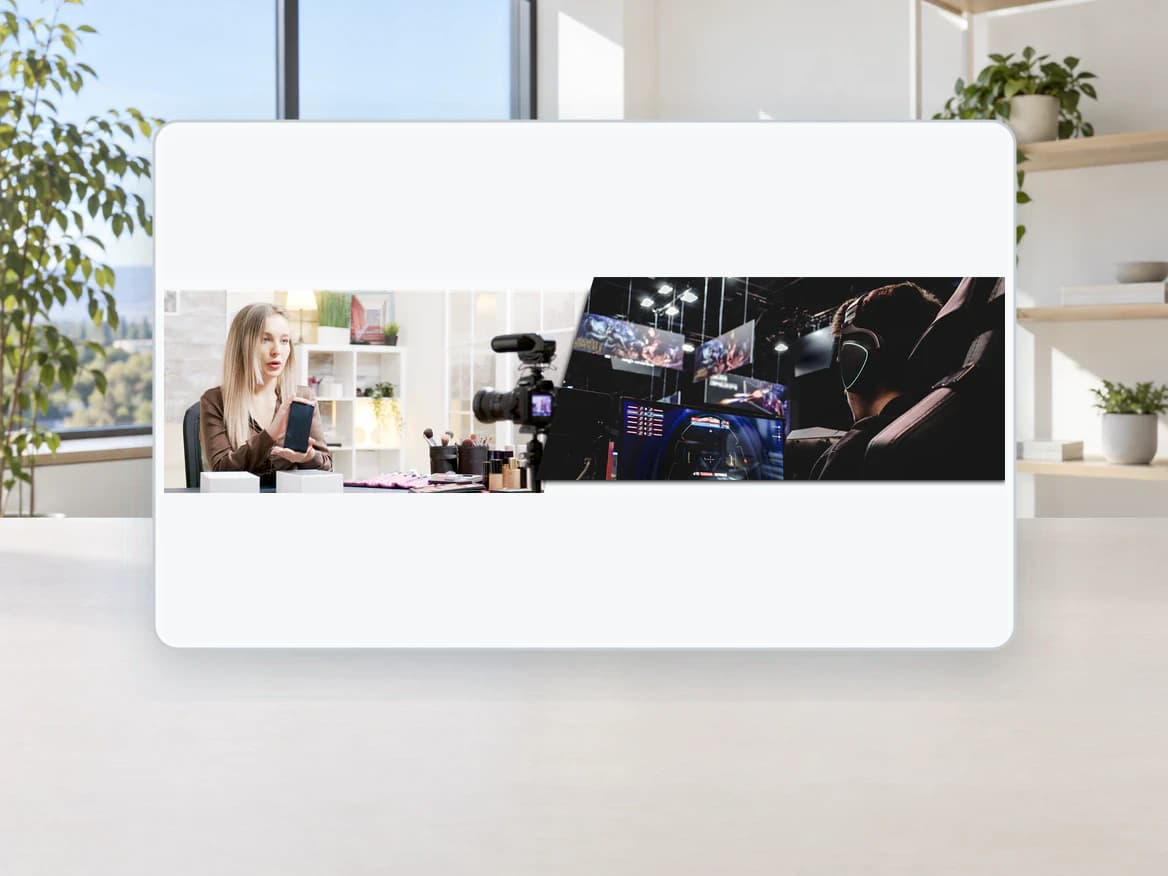
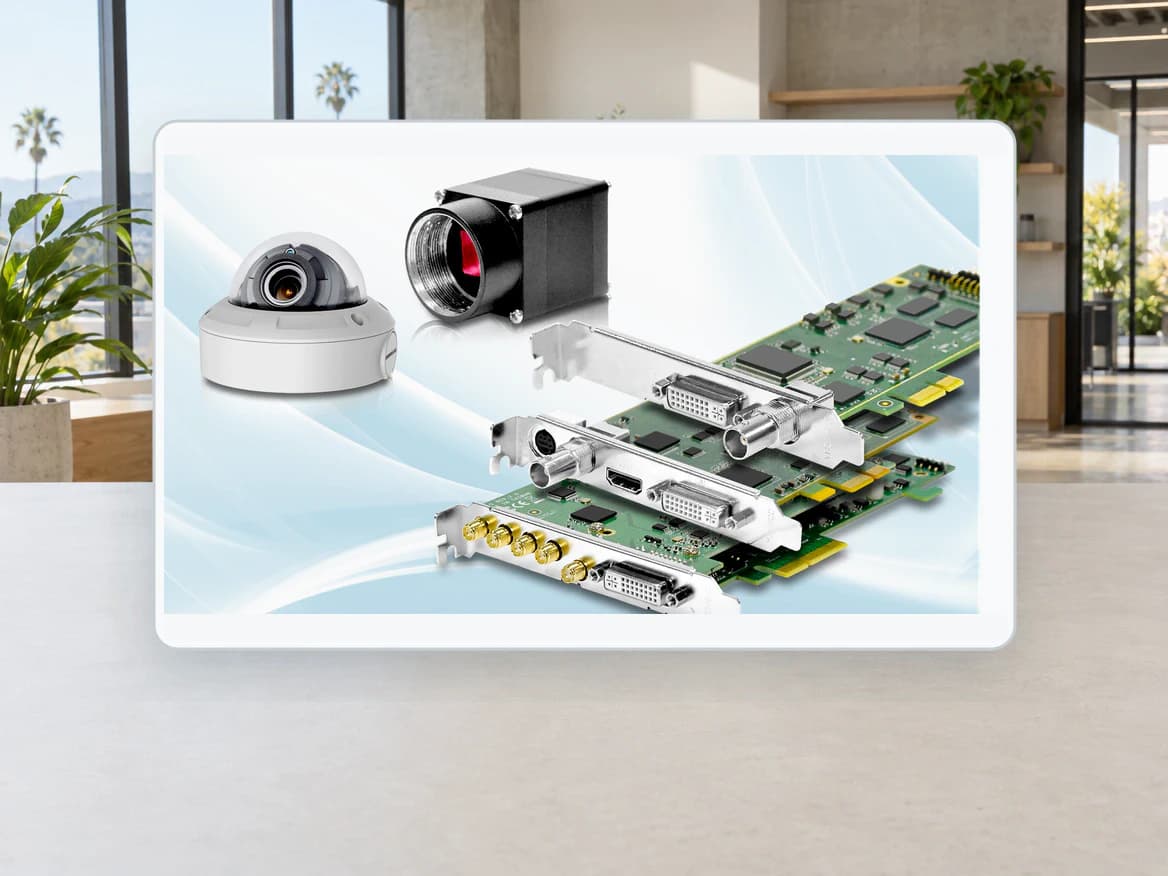
NexVDO Capture handles video and audio input for broadcast, conferencing, industrial inspection, and medical-video systems. Requirements vary by workflow: a production pipeline may need 4:4:4 10-bit capture, multiple synchronized feeds, or a system-level latency target such as 50 milliseconds. The complete source, card, host, software, display, and network path determines the actual result.
Signal type, connector, transport, and pixel-format conversion must be matched to the source equipment. Medical instruments, cameras, and presentation systems can require different timing and integration work.
The SDK provides a common layer over DirectShow, Media Foundation, V4L2, and GStreamer on Windows, Linux, and supported embedded systems. This reduces the amount of operating-system-specific capture code an integration team must maintain.
YUAN applies its video-capture hardware experience to the NexVDO SDK so teams can bring capture, rendering, and processing into one development environment.
The quick-start capture workflow uses four APIs and is designed to produce a first video-and-audio capture in about five minutes. It supports capture cards, media files, and network cameras; production integration still requires format, error, timing, and device-state handling.
For supported DMA workflows, NVIDIA GPUDirect can place captured frames in GPU memory and avoid an additional host-memory copy. Developers should measure the effect with their selected card, GPU, driver, and workload.
Rendering APIs support one source on multiple displays and multiple sources on one display. YUAN's ThumbDraw technology is available for monitoring and multi-screen layouts.
Three-dimensional rendering modes cover the path from 3D capture to compatible displays. Teams should validate the required stereo format, timing, display, and clinical workflow.
Processing APIs cover brightness, hue, contrast, saturation, scaling, cropping, rotation, and still-image capture with lossless or lossy output. Medical-workflow support includes DICOM capture and recording plus PACS and WORKLIST integration. HL7 support was introduced in the 2023 SDK release; complete medical systems require interoperability, security, clinical, and regulatory validation.
Overlay APIs add text, time, logos, and other image sources to video. The SDK also supports green-screen removal and XML-defined transitions such as splice, overlay, fade-in, and fade-out.
NexVDO Capture brings input, rendering, processing, and related platform adapters into one SDK. The required modules and performance depend on the selected YUAN hardware and host configuration.
NexVDO SDK
In this series